


It took me some time to digest this trip, and I suspect I still need a little longer.
I first encountered Lanzarote some twenty years ago in Michel Houellebecq's The Possibility of an Island and was immediately intrigued.
Soon after, I recognized it in Pedro Almodóvar's Broken Embraces.
Somehow, though, the stars never aligned for a visit until now.
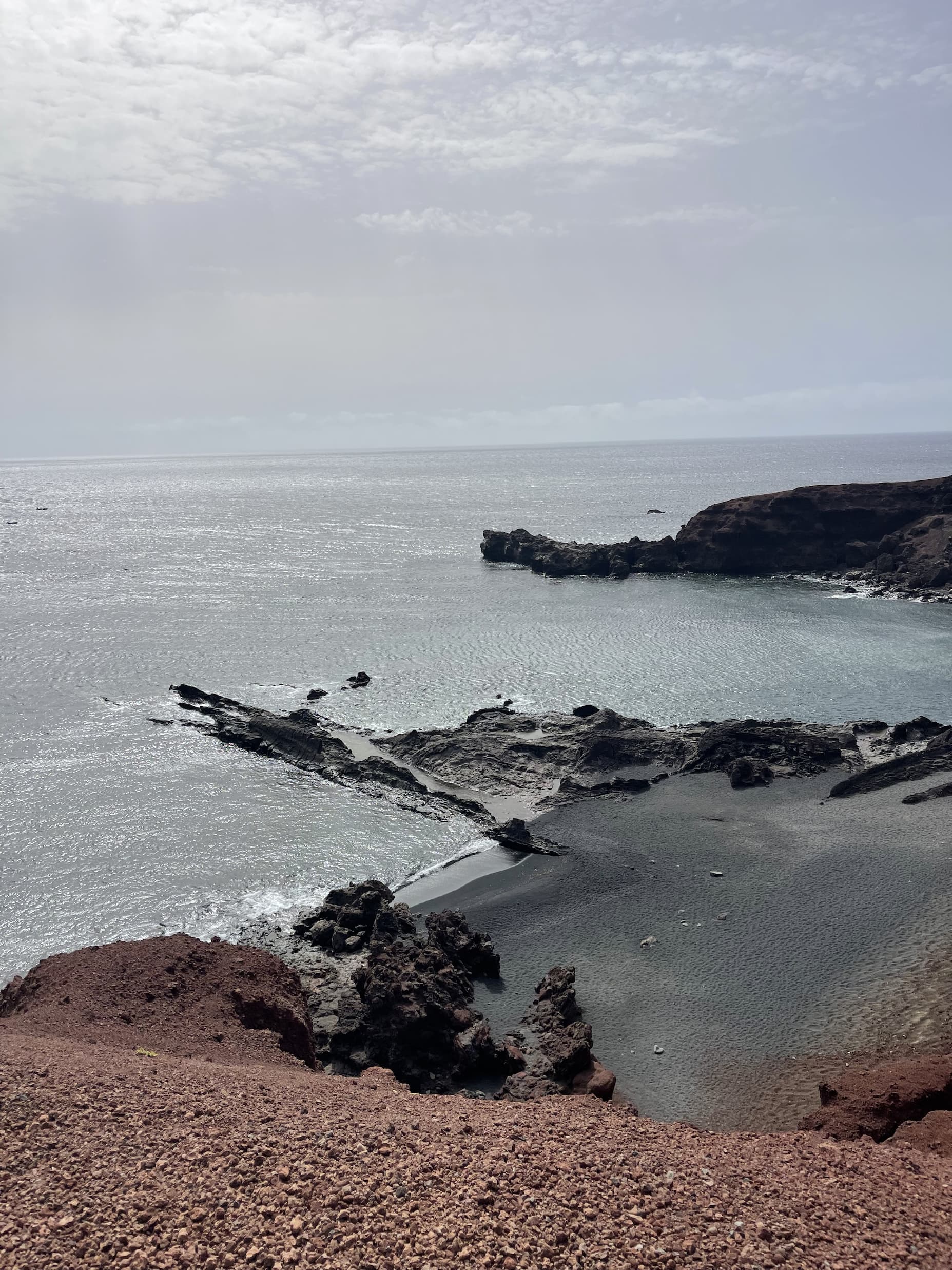
The island has an almost improbable presence.
Vast lava fields. Deep black earth interrupted only by the occasional burst of vegetation. White architecture. An image that stays with you long after you've left.
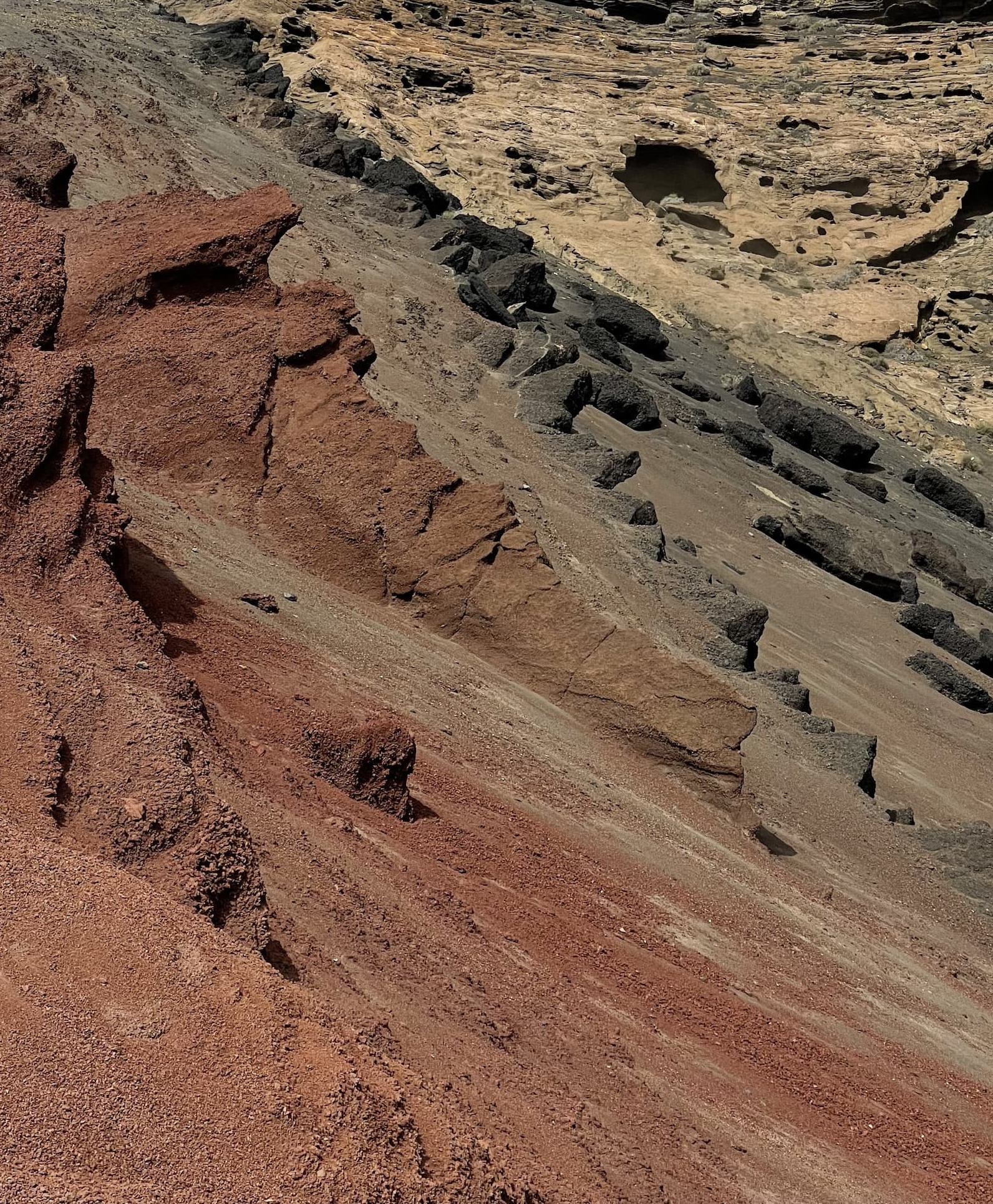
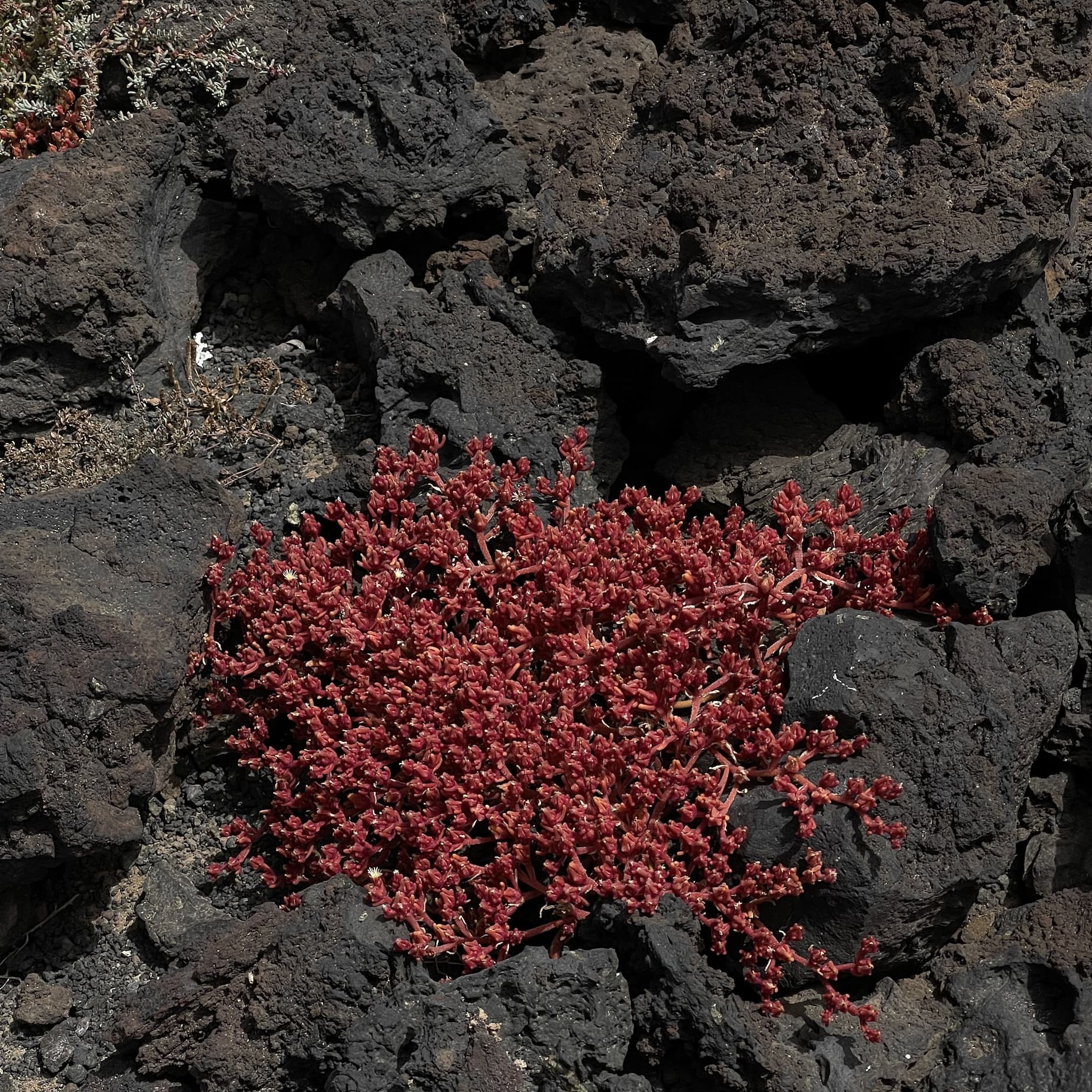
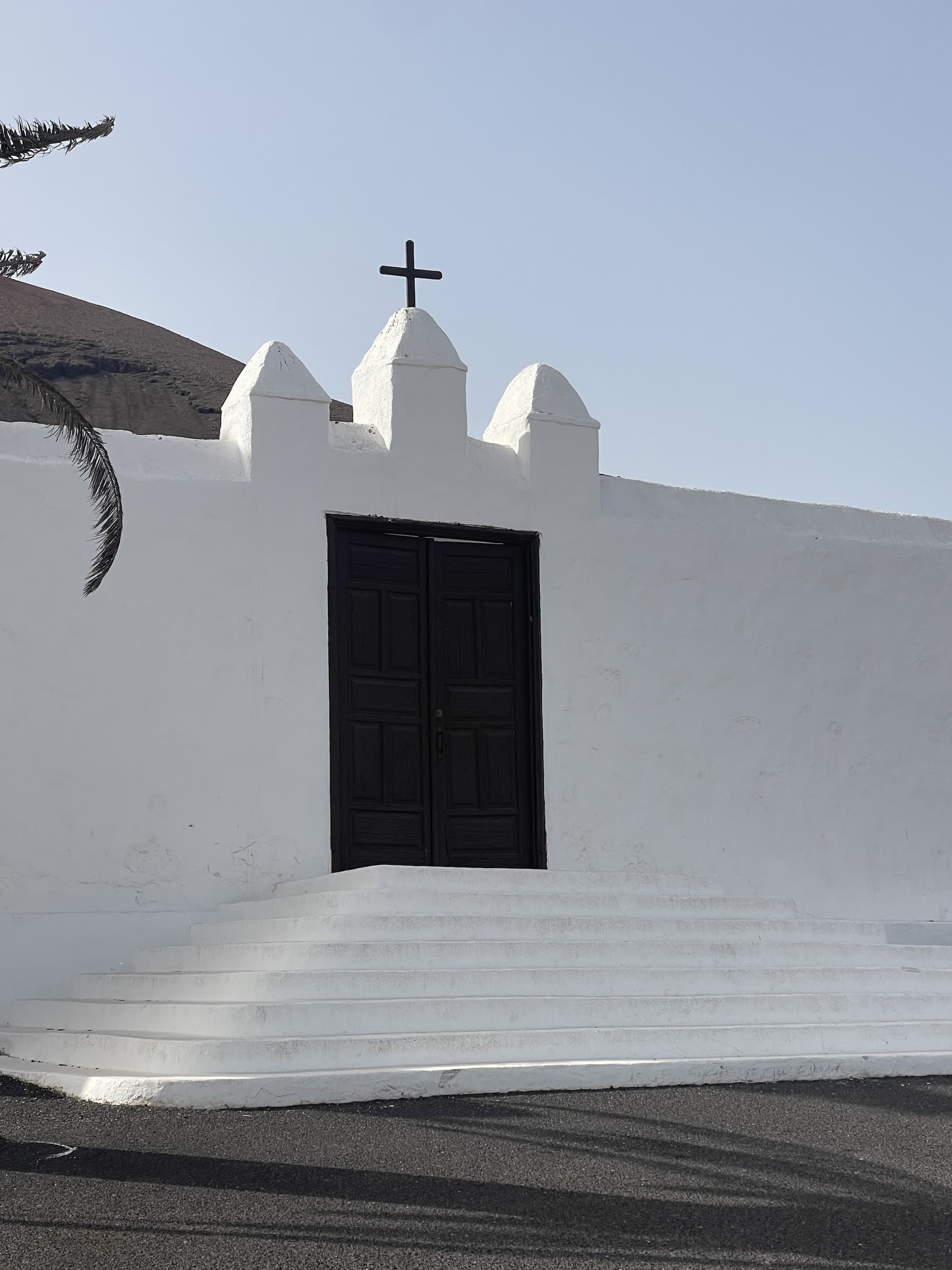
At times, it feels surreal. Like walking on the moon.
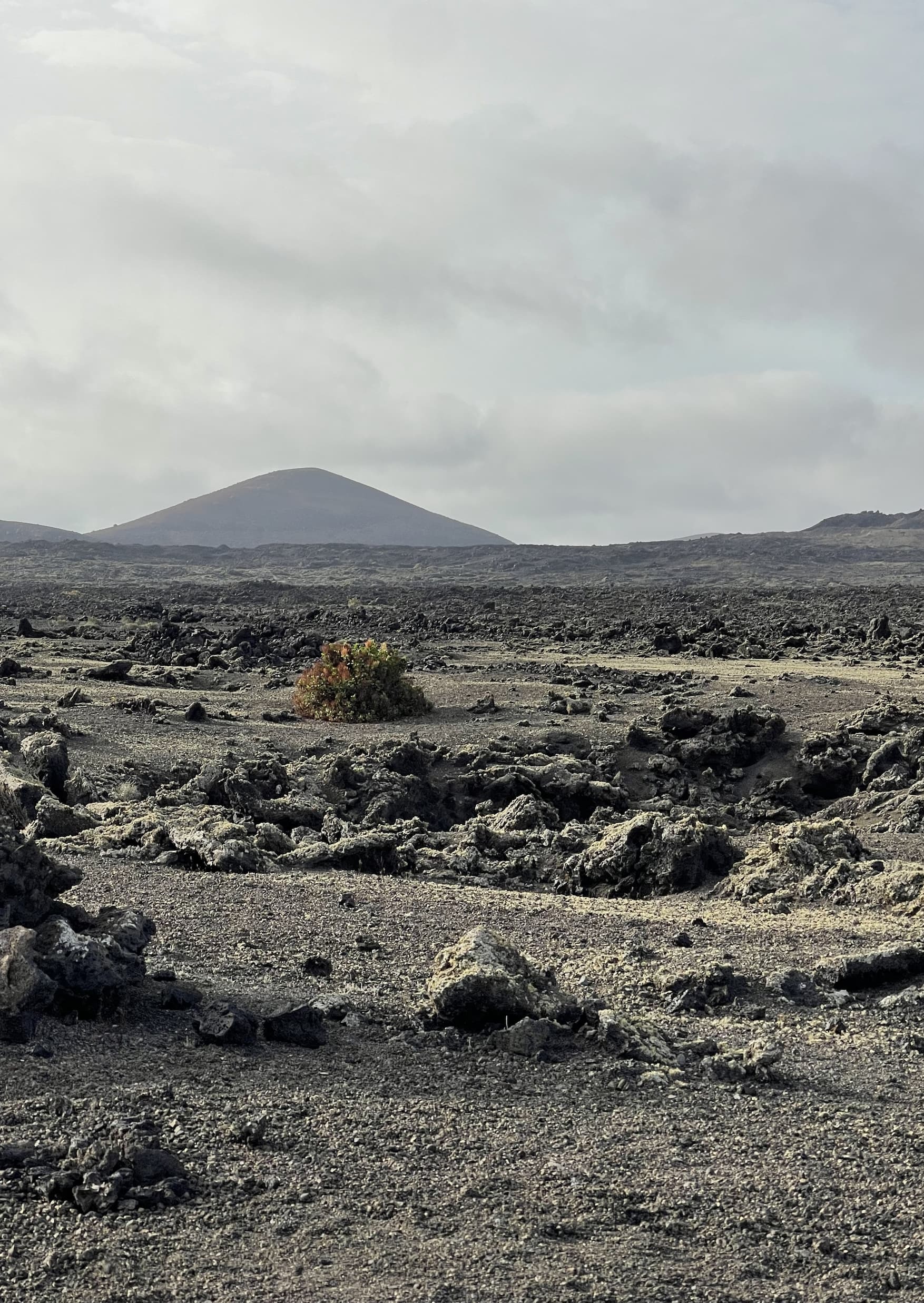
There is something about Lanzarote's geology that imposes silence.
Its layers reveal themselves as you travel across the island, each stretch of road revealing new colors and textures.
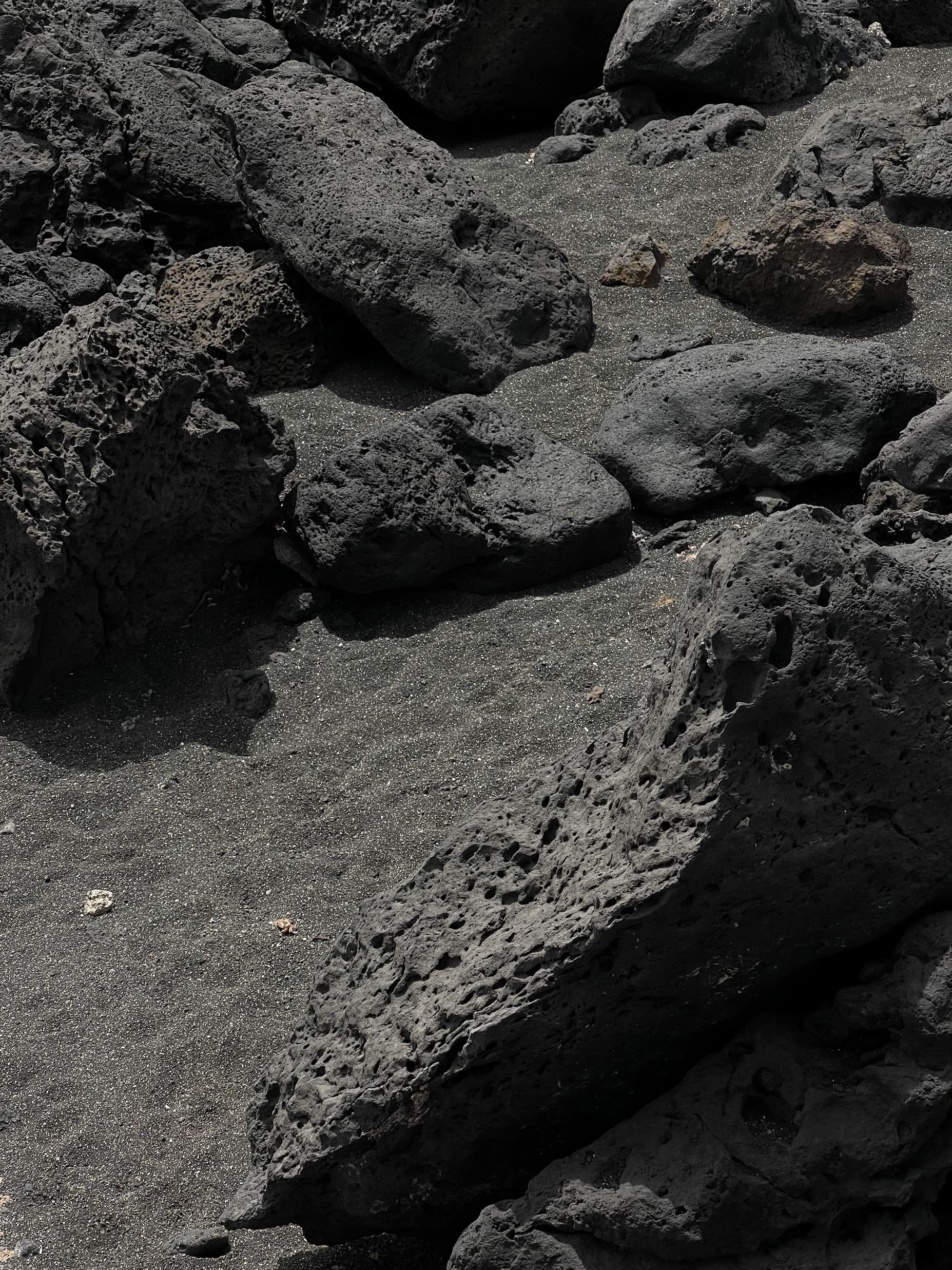
You begin to notice the porous surface of the lava, its numerous forms and iterations, each telling a different story.
As a jewelry designer, I've always been drawn to stones. Yet after a few days immersed in this landscape, I found myself thinking less about their beauty than about the geological forces from which they emerge.
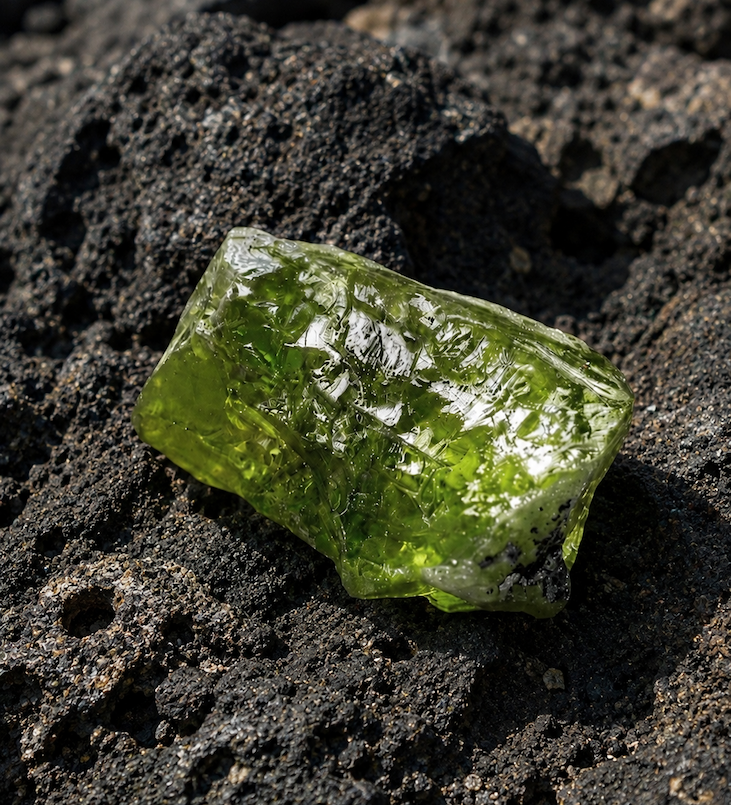
If peridot, the bright green volcanic gemstone, has long been a favorite of mine, it's only now that I truly begin to understand why.
There is also a particular rhythm to life on the island.
A way of inhabiting the land that feels remarkably respectful.
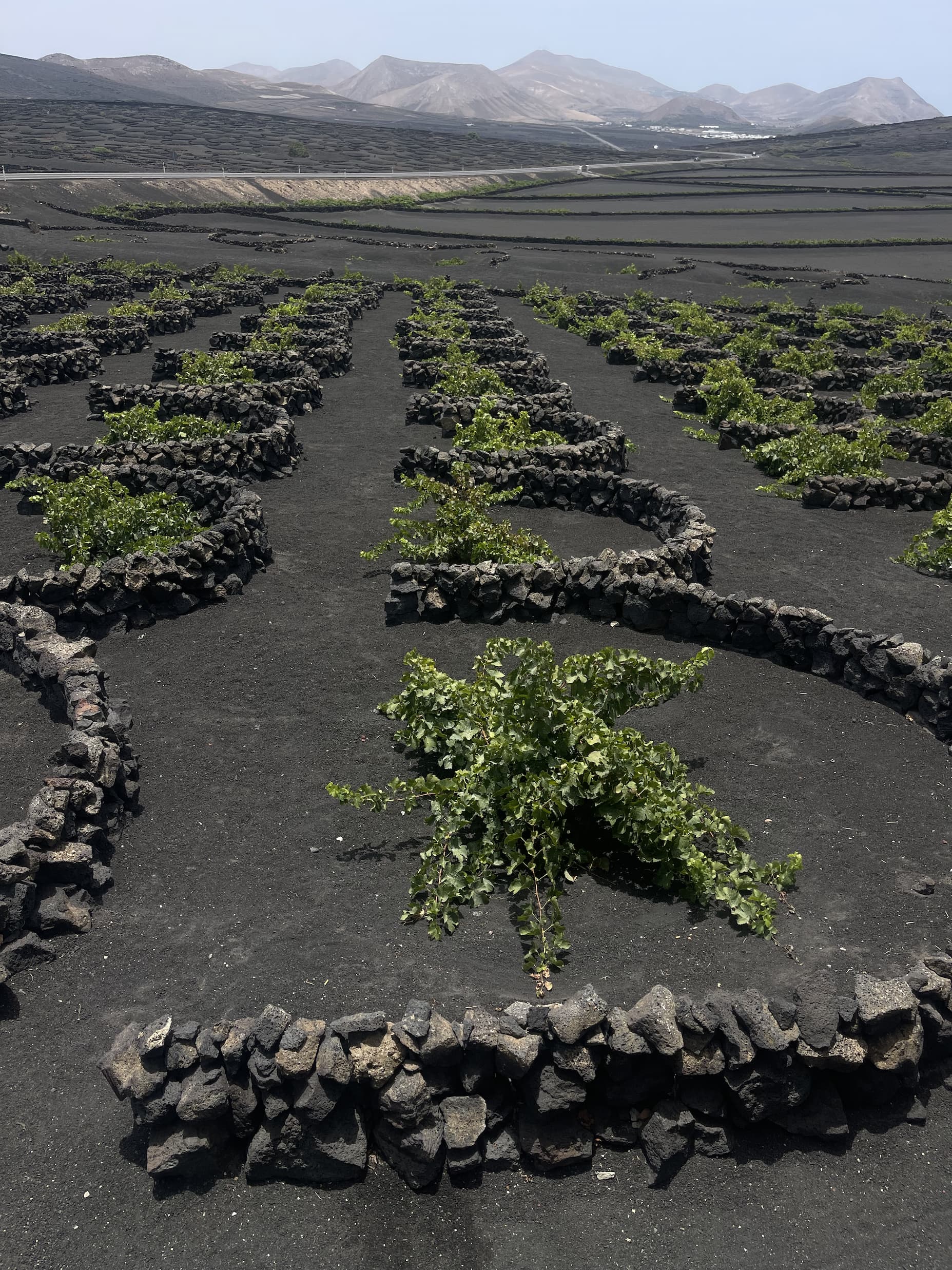
Like the vineyards, patiently growing in volcanic ash.
Lanzarote is a place that has embraced its uniqueness rather than trying to become something else. It has the humility of a place that has lived through disaster, and the pride of one that has learned to see—and create—beauty where there were only cenizas and malpaís.
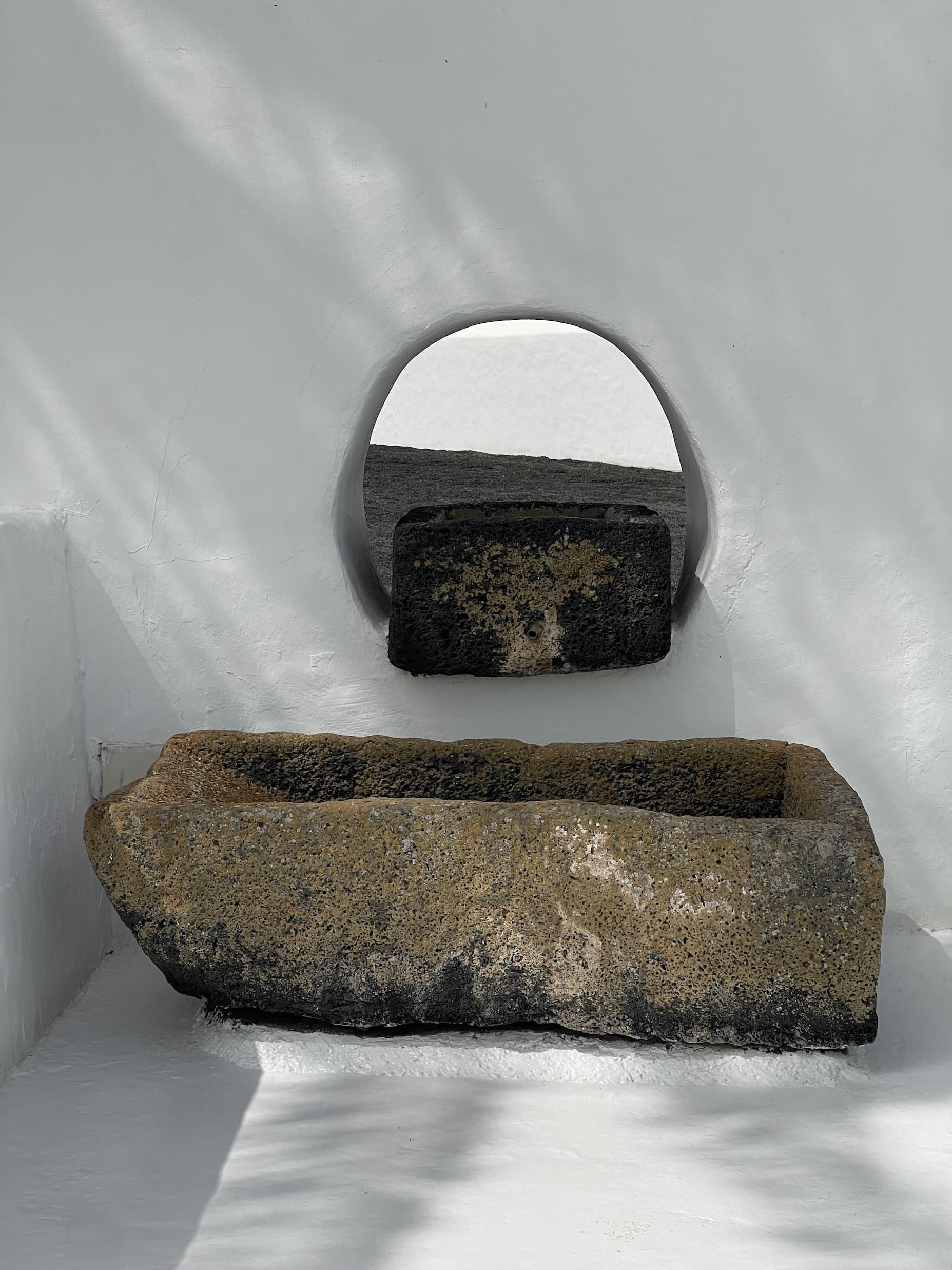
The omnipresent César Manrique has much to do with this.
A multidisciplinary, prolific artist, he understood the unparalleled richness of his homeland early on and made it his life's work not only to reveal it, but to protect it.
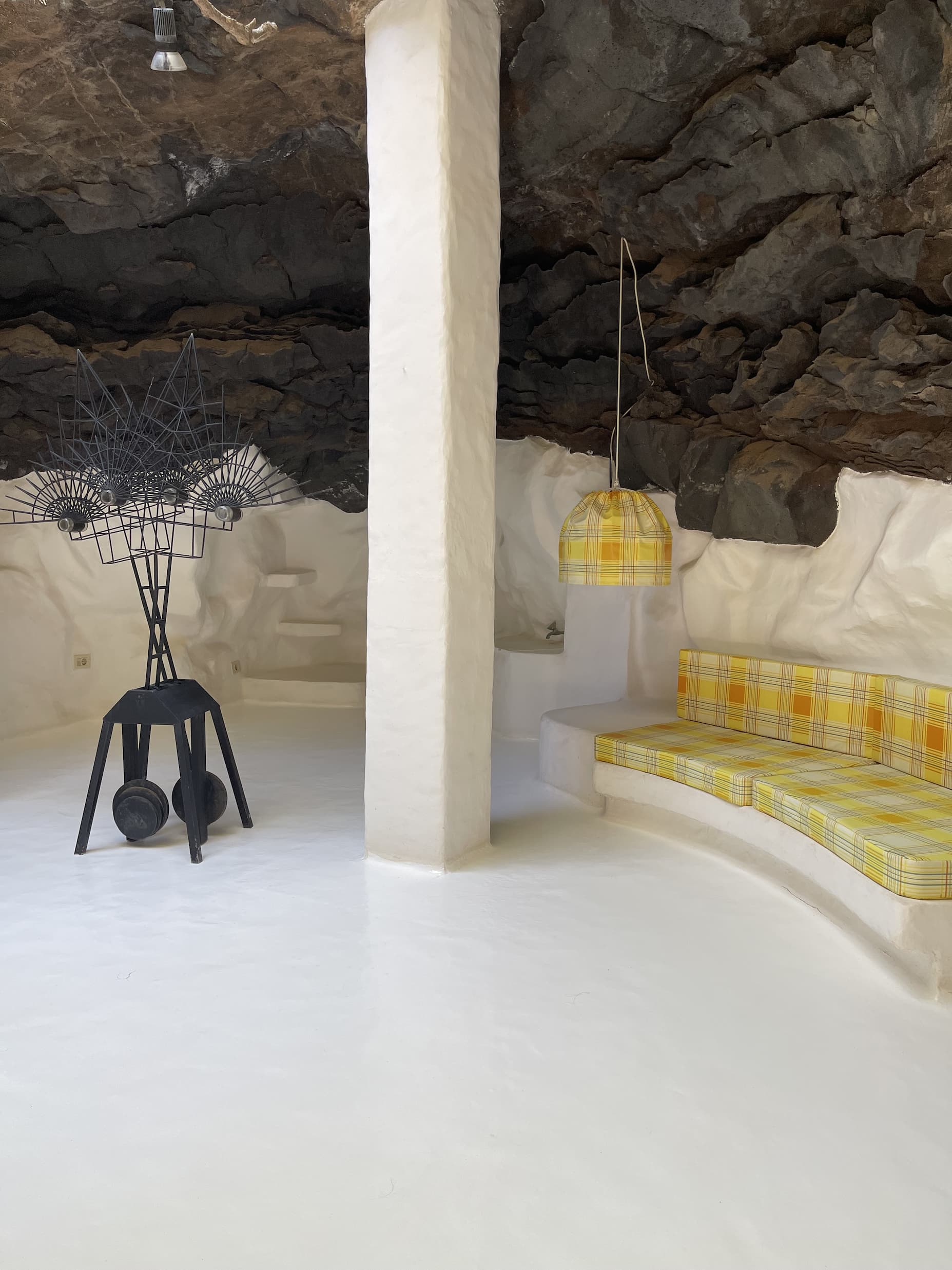
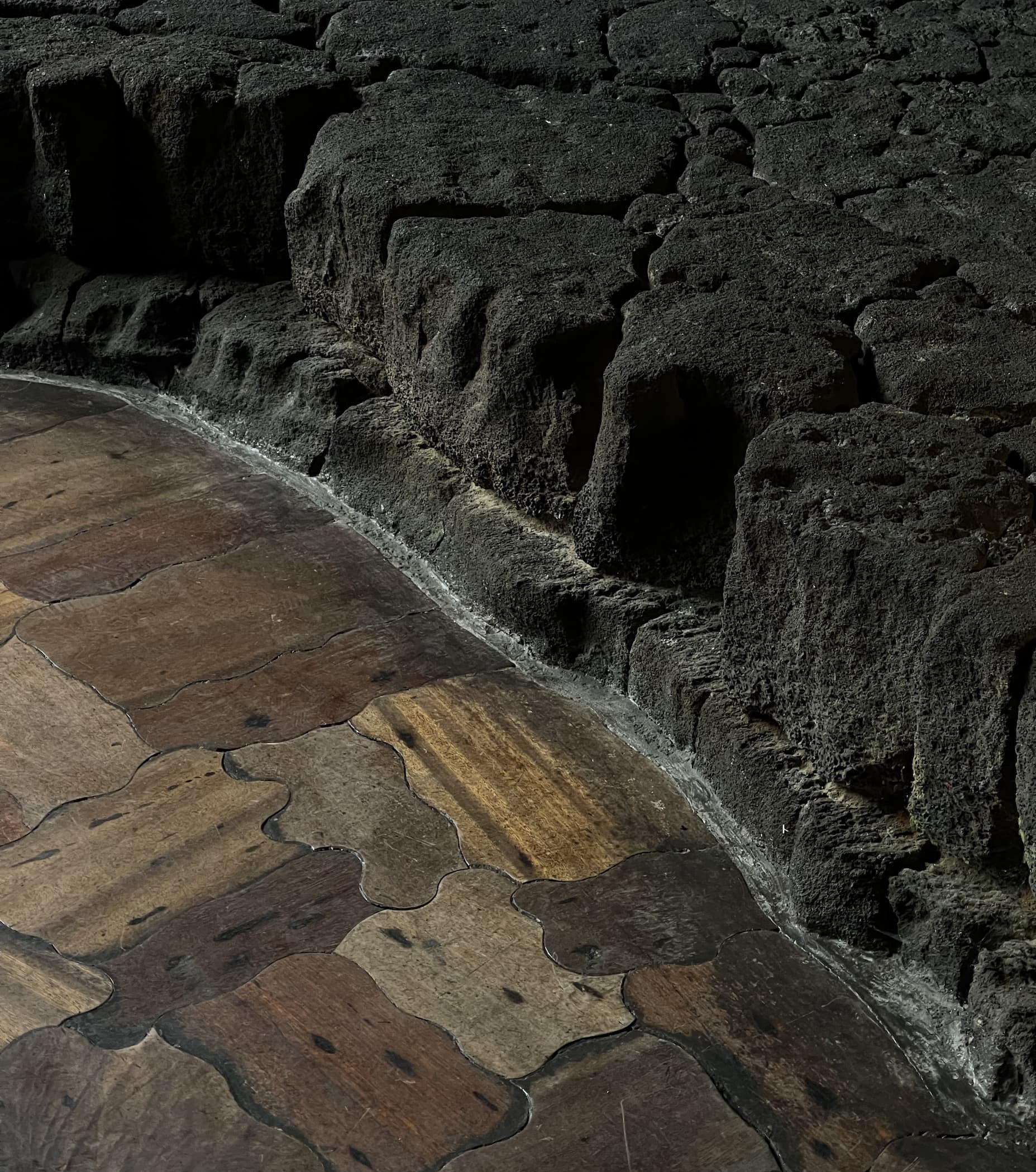
From his first house, now home to the César Manrique Foundation, to the Mirador del Río and Jameos del Agua, he drew from Lanzarote's vernacular architecture while advocating for a form of development that respected the island rather than competed with it.
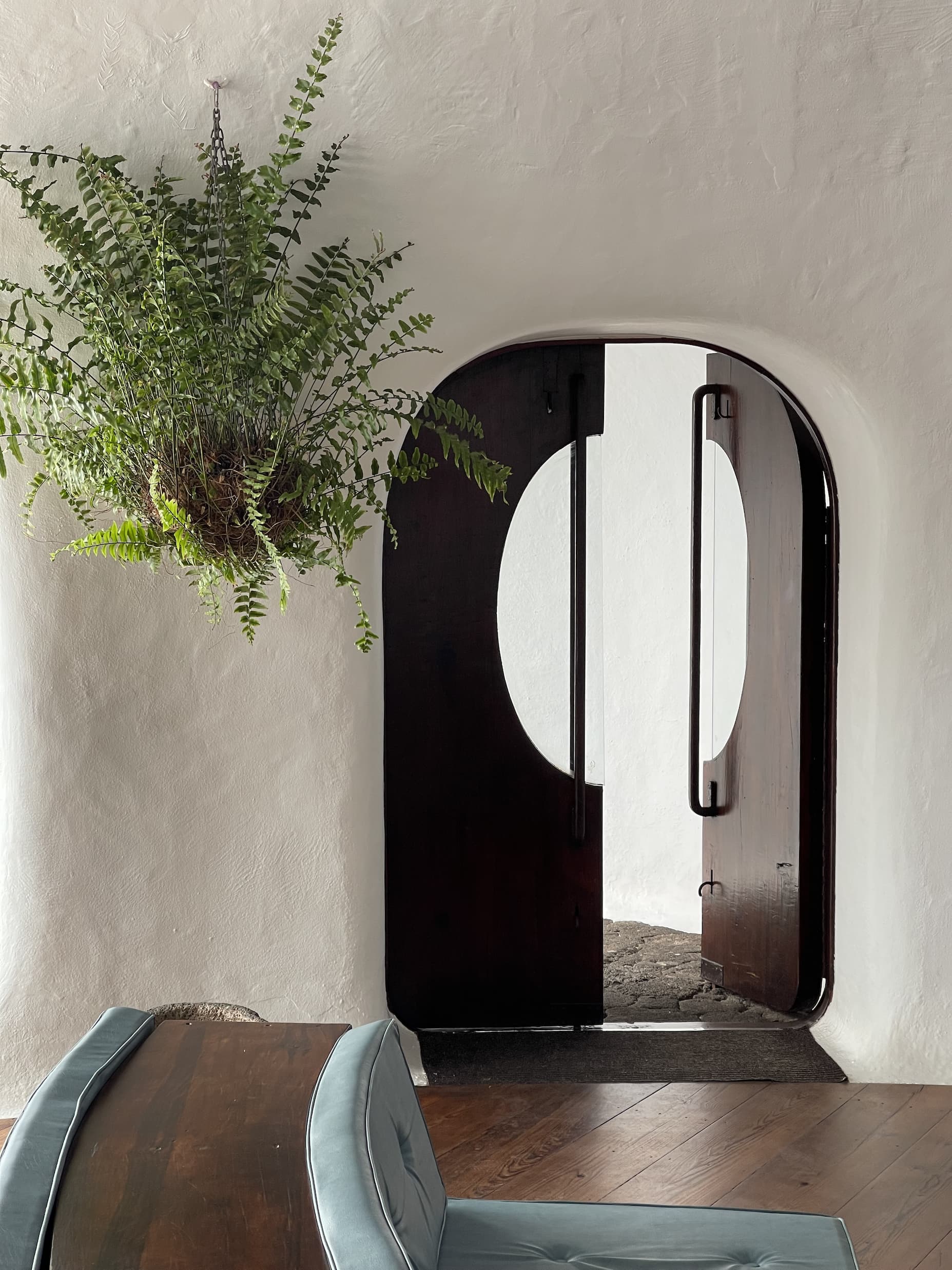
Manrique´s work is unmistakably of its time. Yet there is something profoundly timeless about the way he mirrors the landscape, intervenes just enough to make it inhabitable, and practices an economy of means.
Perhaps that is his greatest legacy. Not simply a remarkable body of work, but a different way of looking at the island.
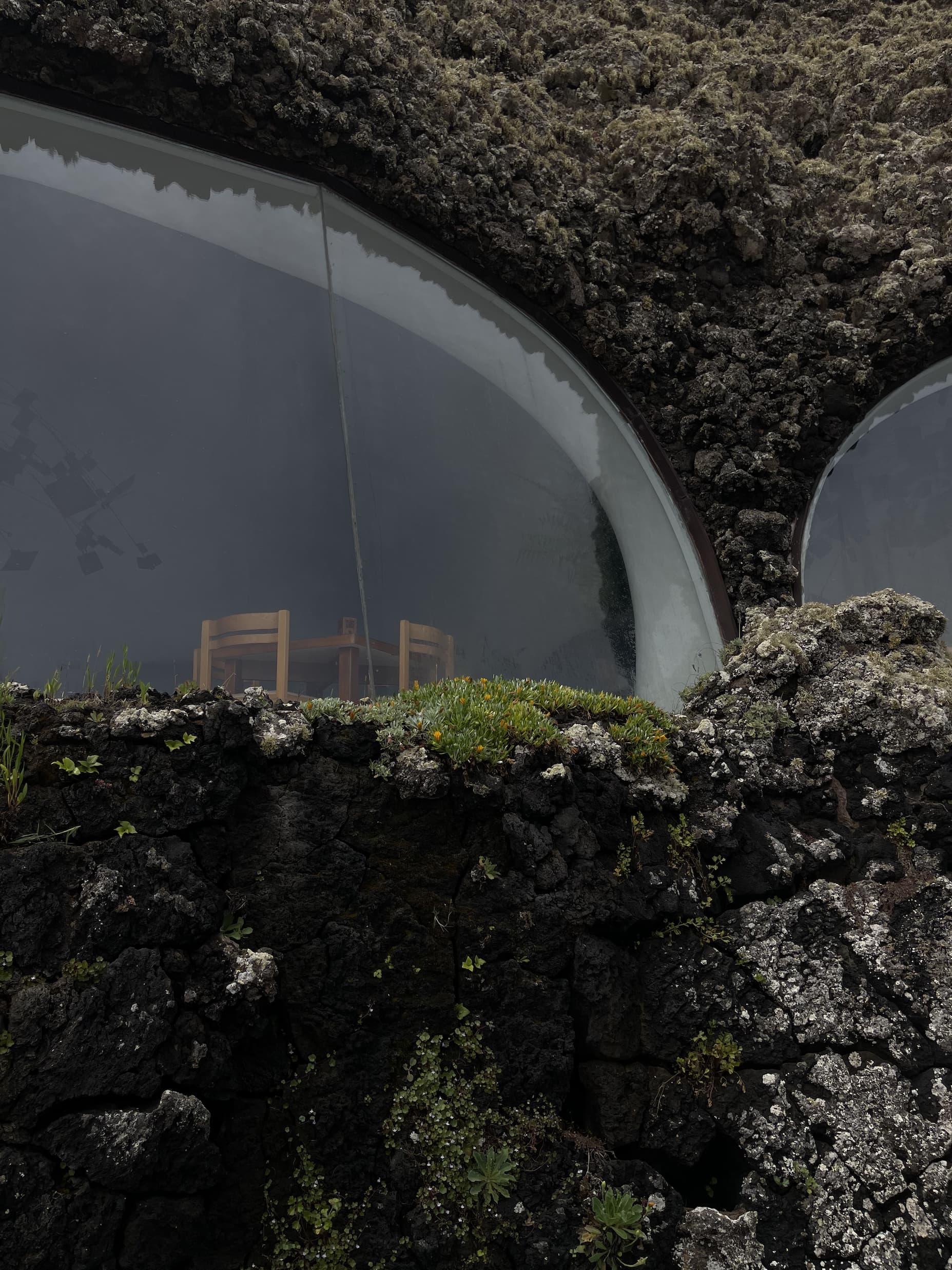
And look you do.
I left with many photographs (maybe too many) and the feeling that some places continue working on us long after we've returned home.
Lanzarote is one of them.
Until next time,
Jessie
